
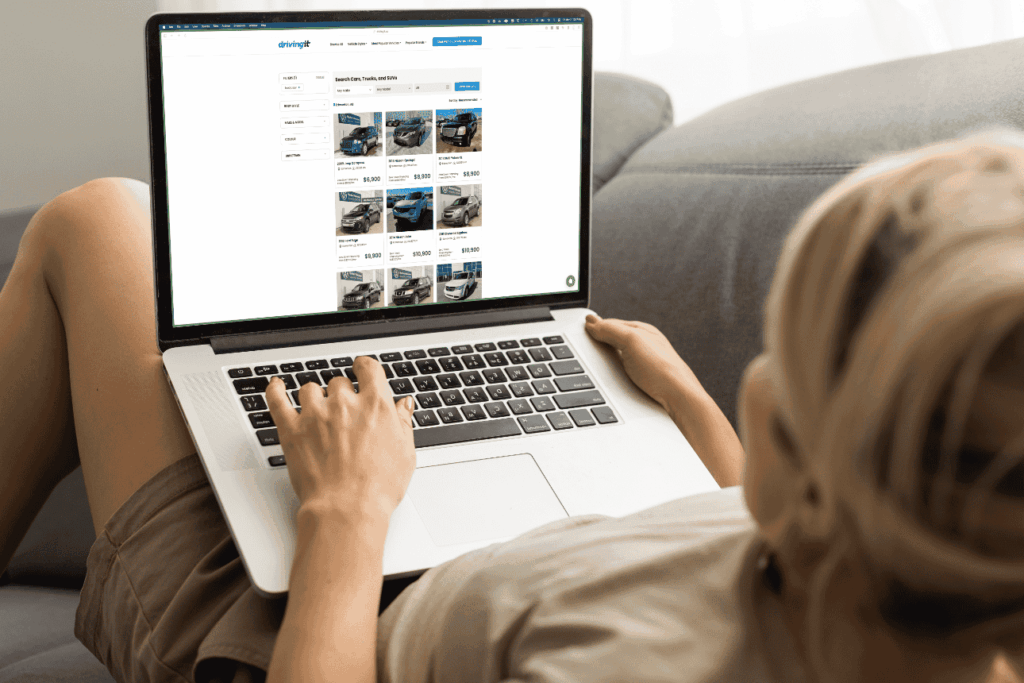
Buying a used car? Start with the right questions to ask when buying a used car to ensure you’re getting a good deal and avoiding future issues. This guide covers everything you need to know, from car value and history to mechanical checks and negotiation tips.
Key Takeaways
- Use reliable tools like Kelley Blue Book to determine a used car’s fair market value and leverage that knowledge in negotiations.
- Always obtain a vehicle history report and perform a thorough inspection, including age, mileage, maintenance records, and test drives, to uncover any potential issues.
- Understand the impact of insurance costs on your budget and verify the seller’s claims, including ownership duration and the condition of the vehicle before finalizing the purchase.
Determine the Car’s Value

The first step in buying a used car is determining its value. Reliable websites like Kelley Blue Book and Edmunds are your best friends here. These resources provide accurate valuations based on the car’s make, model, year, mileage, and overall condition. Consulting these platforms helps you avoid overpaying and ensures a fair price.
If the asking price is higher than the value determined by these tools, don’t hesitate to negotiate a reasonable price. Remember, most new cars lose about 60% of their value within the first five years. For instance, a car that cost $30,000 new might only be worth around $12,000 after five years. Knowing this can give you leverage in negotiations.
Assess the Car’s Age and Mileage
When it comes to buying a used car, age and car’s mileage are two critical factors that can significantly impact the vehicle’s value and longevity. Older cars generally depreciate more, and higher mileage can indicate more wear and tear. The average annual mileage for a used car is around 13,476 miles, and deviations from this can give you clues about the car’s usage.
Asking the seller how long they’ve owned the car can also reveal potential hidden issues. Short ownership durations might suggest the seller is eager to offload the car due to problems, while longer ownership typically indicates satisfaction and fewer hidden issues. This information is crucial for making an informed decision.
Request a Vehicle History Report
A vehicle history report is a treasure trove of information that can save you from investing in a problematic used car. These reports consolidate essential data about a car’s ownership, service history, and incidents. Obtaining a vehicle history report uncovers any undisclosed issues that could impact your decision.
These reports typically include service records, accident details, odometer readings, and titles, providing a comprehensive view of the vehicle. They also show previous ownership details, which can help you gauge how well the car has been maintained. You can acquire these reports from dealerships, insurance companies, or third-party services like Carfax.
To get a vehicle history report, you’ll need the vehicle identification number (VIN) or the license plate number. Always verify the VIN against the report to ensure accuracy and avoid any discrepancies. This step is crucial in understanding the vehicle’s history and making a well-informed purchase.
Inspect for Mechanical Problems
Before sealing the deal on a used car, it’s vital to inspect for mechanical problems. These issues can be costly if left unchecked, so addressing them upfront is essential. One effective way is to get an independent inspection by a professional mechanic. This might cost you around $250, but it’s a worthwhile investment to prevent future expenses.
During the inspection, pay attention to fluid levels, such as engine oil and transmission fluid, as they can indicate maintenance issues. Also, inspect belts and hoses for wear or cracking to avoid costly repairs down the road. Check for leaks under the car, which could point to serious engine or transmission problems.
Additionally, evaluate the tire condition by checking for even tread wear and ensuring they match in brand and type, reflecting the car’s maintenance history. Don’t forget to test all electric components, like lights and power windows, to ensure they are functioning correctly. These measures help identify potential issues and improve negotiation terms.
Examine Exterior and Interior Condition

Examining the car’s exterior and interior condition can reveal a lot about its history and maintenance. Check for serious damage such as rust stains or poorly repaired bumpers, indicating previous accidents or neglect. Assess the body panels for irregularities, such as scratches, dents, or misaligned parts, as these may suggest past accidents, poor repairs, or an inadequate paint job.
Inside the car, check for signs of water damage, such as water stains on the upholstery, which could indicate leaks. Also, inspect the glass for chips or cracks that might pose safety issues and require costly repairs.
A thorough examination of both exterior and interior conditions can help you gauge the car’s overall state and foresee potential future expenses.
Test Drive the Car

Test driving a used car is one of the most crucial steps in the buying process. It allows you to evaluate the car’s performance, handling, braking, and acceleration. During the test drive, ensure the vehicle tracks straight to confirm proper alignment and steering functionality.
Choose a test drive route that includes a variety of conditions such as rough roads, hills, and bumps to thoroughly assess how the car handles different situations. Also, check that all lights, including headlights and brake lights, are working correctly, and confirm the functionality of safety features like airbags and seatbelts.
This hands-on experience will give you a clearer picture of the vehicle’s condition.
Check for Warranty Coverage
Before finalizing your purchase, check if the used car comes with any manufacturer’s warranty coverage. Not every used car comes with such coverage, but many manufacturers offer limited warranties that may still apply to used vehicles, providing extra peace of mind.
However, cars sold ‘as is’ typically do not come with any warranty protection, which means you’ll be responsible for any repairs. Verifying the warranty status can significantly affect maintenance costs and your overall satisfaction with the vehicle.
Review Maintenance Records
Reviewing the car’s maintenance records is essential to understand how well it has been cared for. Obtain these records to ensure regular servicing was done, as this can affect the vehicle’s reliability and longevity.
Check for regular oil changes and other routine maintenance tasks, as these are crucial for the engine’s health and overall vehicle care. Some warranties also require specific servicing to remain valid, so ensuring the car received adequate care is vital. This information can help you make a more informed purchase decision.
Understand the Insurance Impact

Understanding how buying a used car will impact your insurance premiums is crucial for financial planning. Consulting an independent car insurance agent can provide clarity on potential increases in insurance costs compared to your previous vehicle.
Insurance premiums may vary based on the car’s make, model, age, and condition, so factoring in these potential increases when budgeting for your purchase is essential. This step ensures you’re fully prepared for the ongoing costs of owning the vehicle, including car insurance premiums.
Questions for Private Sellers

When dealing with private sellers, asking the right questions is crucial to ensure transparency and avoid potential issues. These questions can reveal important details about the car’s history and the seller’s motivations.
Here are a few extra questions to ask.
Why are you selling the car?
Knowing the seller’s reason for selling can reveal potential issues or provide peace of mind. The owner might be upgrading or could be facing problems with the car. If the seller has only owned the car for a short duration, it might indicate undisclosed problems they are eager to offload.
Longer ownership durations generally suggest satisfaction with the vehicle and fewer hidden issues. Assessing the seller’s reason and the duration of ownership can guide you in making a more informed decision about the purchase.
Do you have the title in hand?
Confirming the seller has the title in hand is vital before any payment. This ensures legitimate ownership and prevents legal issues. Verify the vehicle identification number (VIN), vehicle ownership, and the seller’s identification to ensure everything is in order.
How long have you owned the car?
Knowing how long the seller has owned the car can provide insights into its reliability and any potential hidden problems. Longer ownership often indicates fewer issues and better maintenance. Conversely, if the seller has owned the car for less than a year, it might raise red flags about potential dissatisfaction or issues with the vehicle.
Asking about the previous owner can provide important details about the vehicle’s history and help assess its reliability.
Evaluate Replacement Parts and Upgrades
Evaluating any replacement parts or upgrades made to the car is essential to understand its current condition and future longevity. Common components that might have been replaced include brakes, engine parts, and other critical systems.
Knowing if these parts are original or aftermarket is crucial since aftermarket parts may underperform or damage other systems. Knowing the history of replacements and upgrades helps in assessing whether the car is a worthwhile investment.
Consider Immediate Repairs Needed
Inquiring about any immediate repairs needed is crucial, especially since some vehicles might be sold without any warranty, implying they could need urgent fixes. Immediate repairs can include issues such as worn brakes, faulty lights, and engine problems.
Knowing the extent of repairs needed before purchase helps budget for future expenses and improves negotiation leverage. This step is vital to ensure you’re not caught off guard by unexpected costs.
Verify Proper Functionality of Features
Before finalizing the purchase, make sure all interior and electronic features are fully operational. Check critical components like air conditioning, lights, and infotainment systems to avoid future expenses. Ask the seller if any electronic features have been previously repaired, as this could indicate potential issues.
Verifying these features work correctly can save future headaches and expenses.
Explore Trade-In Options at Dealerships
Exploring trade-in options at dealerships can potentially reduce the overall cost of purchasing a new vehicle. Obtaining written trade-in quotes from multiple dealerships can provide leverage during price negotiations.
Dealers often seek quality used cars for resale, which means a used car dealer might be willing to negotiate more on trade-in offers than buyers expect. Effectively leveraging trade-in options can significantly reduce the financial impact of your new car purchase.
Summary
Navigating the world of used cars can be challenging, but with the right questions at your disposal, you can make an informed and confident purchase. From determining the car’s true value to understanding its history and condition, each step is crucial. Remember to leverage resources like Kelley Blue Book and vehicle history reports to gather essential information.
Whether you’re dealing with private sellers or exploring trade-in options at dealerships, asking the right questions can save you time, money, and stress. By following this comprehensive guide, you’ll be well-equipped to find a reliable used car that fits your needs and budget. Happy car hunting!
Frequently Asked Questions
What not to say to a used car salesman?
To gain the upper hand in negotiations, steer clear of expressing too much enthusiasm or urgency, such as saying, “I love this car!” Instead, concentrate on discussing the purchase price rather than sharing personal details or financing preferences. Stay strong and confident!
Why is it important to determine the car’s value before buying a used car?
It’s crucial to determine a used car’s value to avoid overpaying and ensure you get a fair deal. Use resources like Kelley Blue Book to guide your decision and empower your purchase!
How can a vehicle history report help in buying a used car?
A vehicle history report is crucial for uncovering vital information about a used car’s past, helping you avoid hidden problems and make a confident purchase. Don’t skip this step—it’s your key to a smart investment!
What should I look for during a test drive of a used car?
Pay close attention to the car’s handling, braking, and acceleration during your test drive. Make sure it drives straight and that all lights and safety features work properly—this will help you choose a reliable vehicle!
Why is it important to ask a private seller why they are selling the car?
It’s crucial to ask a private seller why they’re selling the car, as this can reveal potential issues and help you avoid unexpected problems. Knowing the seller’s motivation gives you valuable insights and can empower you to make a more informed decision.